Stories

Unsung heroes of Alight: meet some of our incredible staff

Not all heroes wear capes. Some go about their heroic deeds quietly, showing up day after day, in places that need them most – a health clinic in Somalia, a women’s safe space in Sudan, a shelter in Kharkiv. They don't do it for recognition. They do it because someone has to, and because they've decided that someone is them. Let us introduce some of the unsung heroes of Alight's teams.
No items found.
No items found.
No items found.

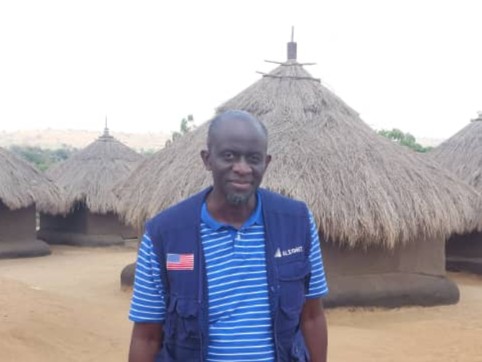
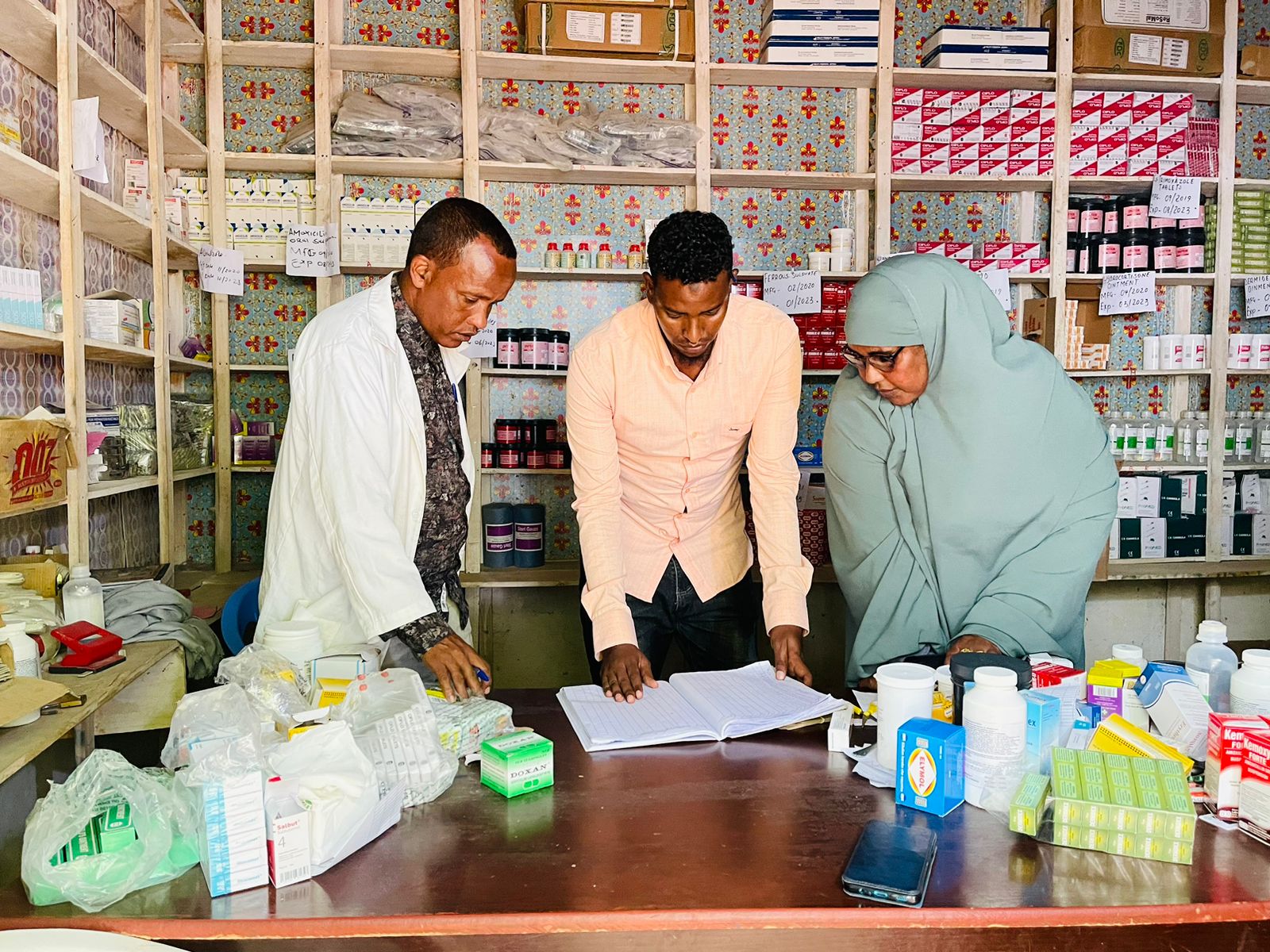
Yusuf: Simply not giving up

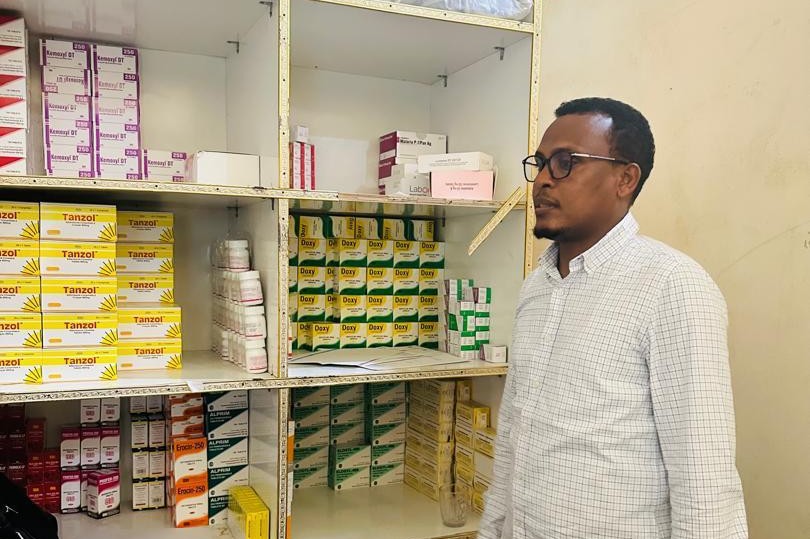
Across Somalia, drought, conflict, and displacement have made healthcare a lifeline rather than a given – and Yusuf has spent years making sure that lifeline holds. Earlier this year, when funding cuts forced a dozen Alight-supported health facilities to close almost overnight, leaving thousands of families without care, Yusuf and his colleagues refused to let that be the end of the story. Some volunteered their own time; others reached into their own pockets. Together, they managed to temporarily restore medical care to over 250,000 people.

It's the kind of quiet, relentless persistence that rarely makes headlines – but for the mothers who can once again reach a clinic when it matters most, it has made all the difference. "Every woman deserves the opportunity to give birth safely and return home to her family," Yusuf says. "In Somalia, where maternal mortality remains a significant challenge, I am driven by the hope of contributing to a future where preventable maternal deaths are no longer a reality."
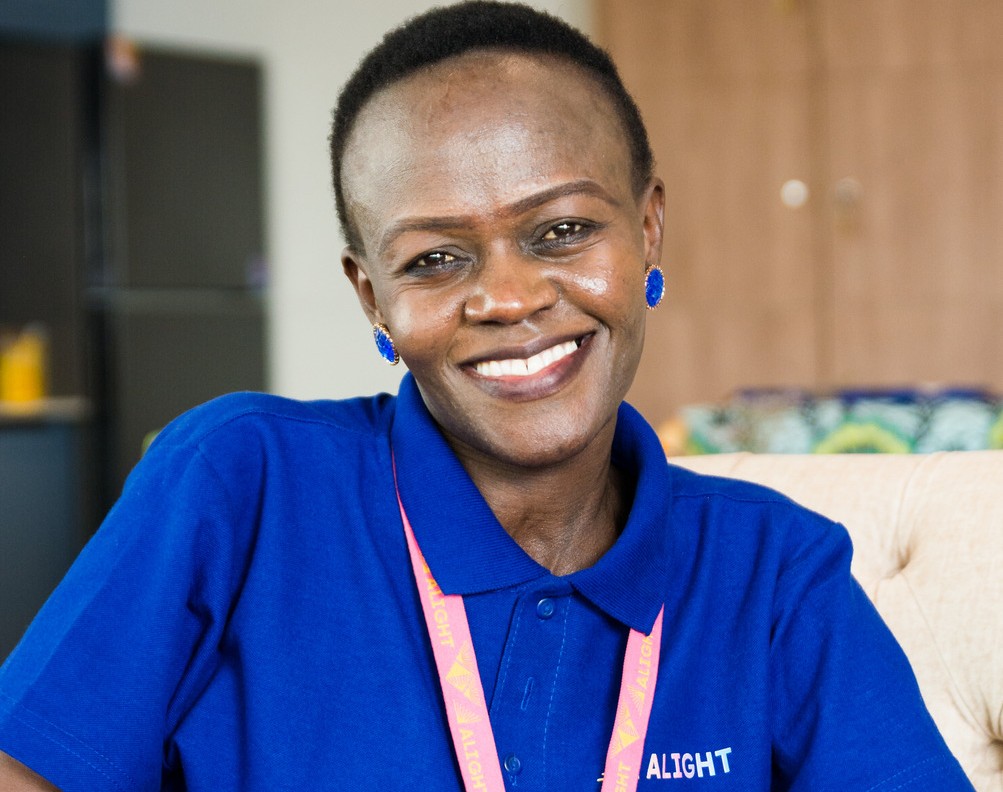
Duaa: Holding onto hope

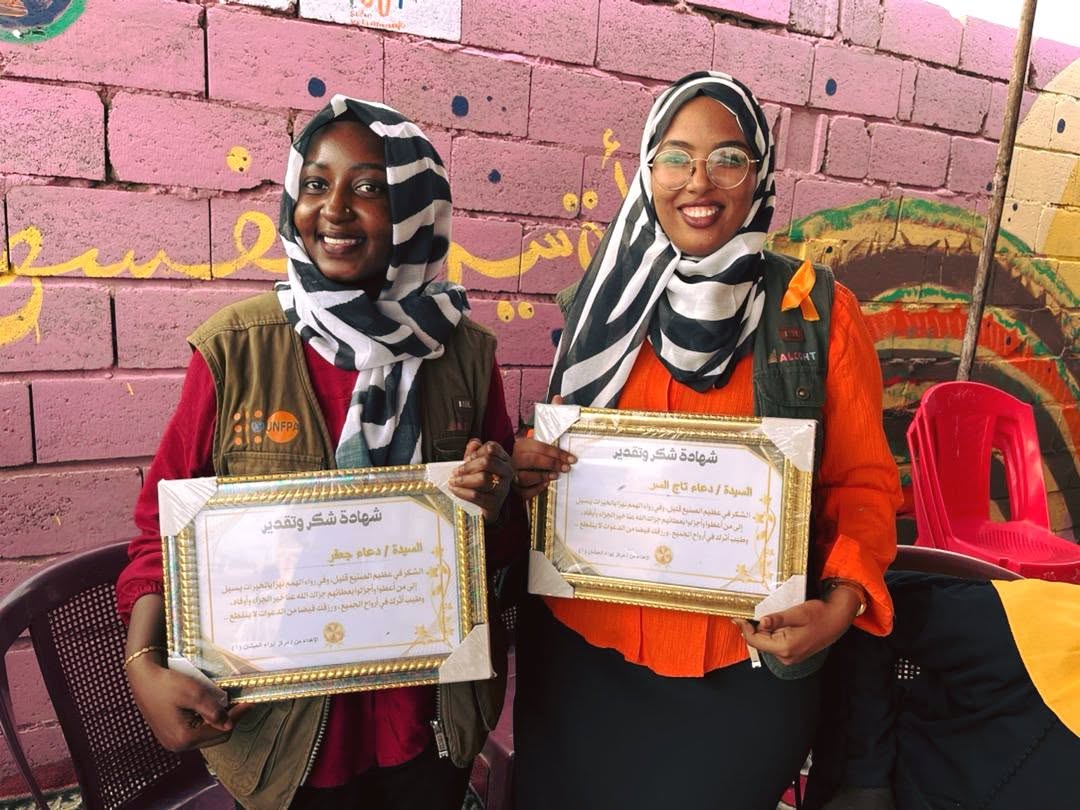
If Yusuf's heroism looks like refusing to let a system collapse, Duaa's looks like refusing to let hope disappear. In Sudan, Duaa Alsir works as a protection officer with Alight's Women and Girls Safe Spaces, where women and girls displaced by conflict can return again and again for counseling, reproductive health care, and awareness sessions on gender-based violence – or simply to sit in a room with other women for an hour.  

For Duaa, it's been a hard year – funding pressures, mounting needs, days when it was genuinely difficult to know what tomorrow would hold. But what keeps her going is seeing a woman who walks into one of Alight's safe spaces and smiles for the first time in a long while, or a young woman rediscovering a confidence she thought she'd lost. A survivor once told her: "For the first time I sense that there is someone who is willing to listen to me and have faith in my abilities." "That's when I realized," Duaa says, "that our impact isn't measured only in numbers, but in dignity and hope."  

Page: /

Andrew: Bravely being better

Being a hero isn't about always being right. It's about staying open enough to learn from what doesn't work, and having the honesty to say so. That's the principle Andrew Mubanda brings to leading two of Alight's most complex programs in Uganda: Shelter Depot and Safe Ride. Part of that job meant testing out new ideas for the settlement, including a pilot of electric bikes as a possible new transport option for Safe Ride in Nakivale, one of Uganda's largest refugee settlements. It didn't work out – the pilot showed the bikes weren't the right fit for that location – but Andrew doesn't count it as a failure. "Success is attributed to being open to learning," he says. "I have a principle of learning something new every day, which motivates me to get up to work. It's not always easy to bring your team along on what you want to do, but I believe in living the example, and soon enough, a crowd will come and stand behind you on the same cause."

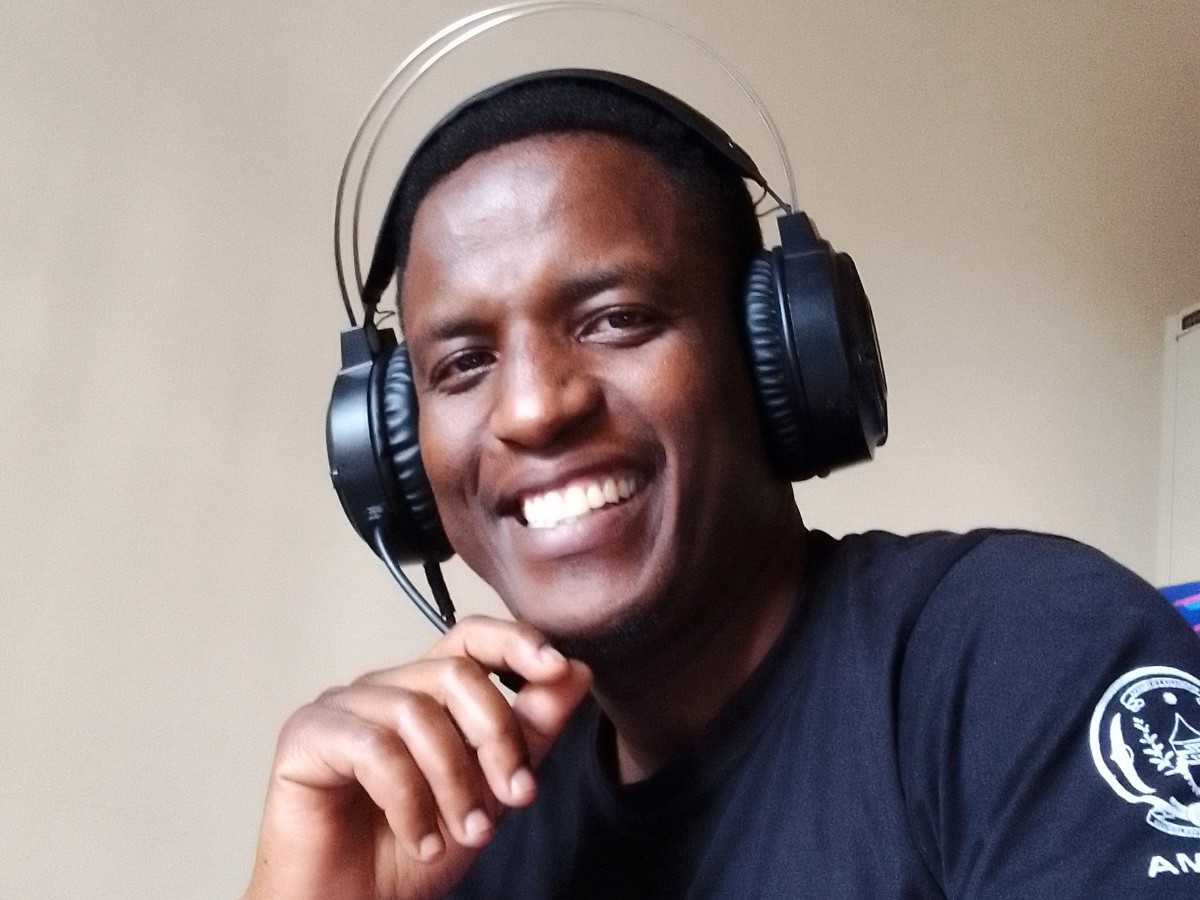
Octave: Going beyond the job title

Octave Irakarama shows a different kind of heroism – less about trying new things, more about staying the course, day after day. As Area Program Lead for Southern Rwanda, he oversees health and nutrition, gender-based violence, and child protection programs across two refugee camps and an urban refugee operation, supporting a population of nearly 30,000 people. He came to the role after years coordinating gender-based violence response in some of the region's toughest settings. "I believe humanitarian work is about going beyond job titles," Octave says, "to make a meaningful difference in people's lives every day."

Herine: The warmth that welcomes

If you've ever visited Alight's Nairobi Hub, you've almost certainly met Herine Adhiambo Magare. She's usually there before anyone else, making sure the space is clean, the tea is brewing, and the coffee and snacks are stocked for whoever walks through the door that day. It would be easy to describe her job in those terms alone. It would also miss the point entirely.

Herine is often the first person that Alight customers meet when they visit the hub – she remembers their names and acknowledges them when they come. She shows up – not just for her own responsibilities, but for every training, every food distribution drive, every moment the hub needs an extra pair of hands. Somewhere along the way, "clean, cook, and go home" turned into something closer to a calling, and the people who pass through the hub are the ones who notice the difference.

Carlos: Being human centered

Working in the same Nairobi Hub is Carlos Karuri. Whether he's supporting a customer who walks in looking for help, working with a community organization, or designing a program like the hub's Bead Jewelry Training, Carlos tries to remember that there is always a person behind every request. "Good humanitarian work is not simply about providing a service or solving a problem," he says. "It is about helping people feel seen, heard, respected, and treated with dignity as we work together toward solutions."

That belief shapes everything he does. The Bead Jewelry Training, he explains, was never just about teaching a craft: "It was about creating an opportunity for people to develop a skill, build confidence, connect with others, and potentially create an income for themselves." And when the answer to someone's request has to be no, Carlos still holds onto the same standard. "Even then," he says, "I want people to leave feeling heard, respected, and treated with dignity."

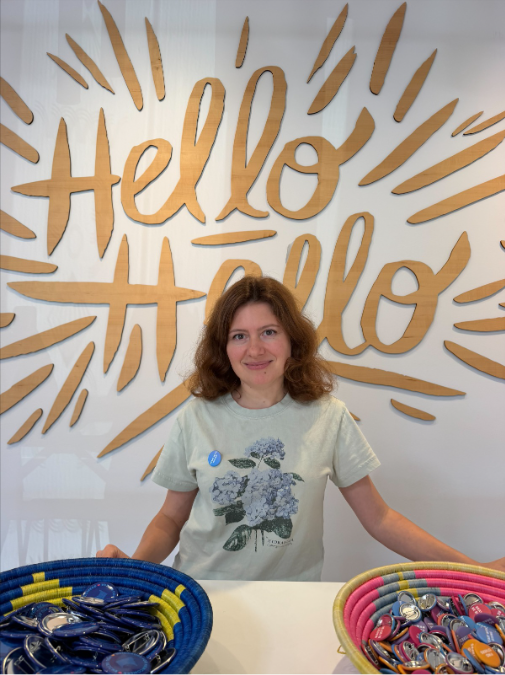
Oksana: Leading with lived experience

Alight's hubs, both in Nairobi and Minneapolis, are places of connection, co-creation, and community support. Here in Minnesota, Oksana Shcherbakova helps newcomer families find their footing – navigating housing, benefits, school enrolment, English classes, and all the unglamorous logistics that quietly determine whether a fresh start actually takes hold. She manages two of Alight's programs supporting newcomers in the state: Family Resource Connections and Community Workshops.

Oksana arrived in the United States in 2022, having fled the war in Ukraine. Back home, she'd built a career as a lawyer; here, starting over meant finding a new way to be useful. Oksana brings her own memory of starting over into every conversation – the knowledge that behind every case file is a family trying to believe things will get better. She recalls a customer once telling her: "You didn't just help us pay for our housing. You gave us hope that our situation would change soon. You gave us the feeling that we were not alone."

Svitlana: Steadfast through the storm

In Kharkiv, one of the Ukrainian hardest hit cities, Svitlana Boshkova works as a mental health and psychosocial support specialist. The air-raid alerts, the disrupted sleep, the constant low hum of worry for the people she loves: she experiences it all, the same as everyone else in her city. Her own hometown, in Ukraine's northeast, was badly damaged in the war's early days. "The war has affected my family, my friends, my community, and my country very deeply," she says. "This became a strong motivation for me to work in the humanitarian sector and to contribute to reducing the impact of the war on people and communities in Ukraine."
Svitlana spends her days translating the shifting, often invisible toll of the war into practical support: training colleagues, adapting programs, making sure the people delivering care are also being cared for themselves. "During long-term crises, a person's wellbeing and mental state become an important part of their resilience," she says, "and their ability to continue living, working, caring for their families and rebuilding their communities."

Tags

No items found.

Stay in the loop
join our newsletter

Stay connected and learn how we respond to emergencies, amplify displaced voices, and provide sanctuary for those facing adversity.