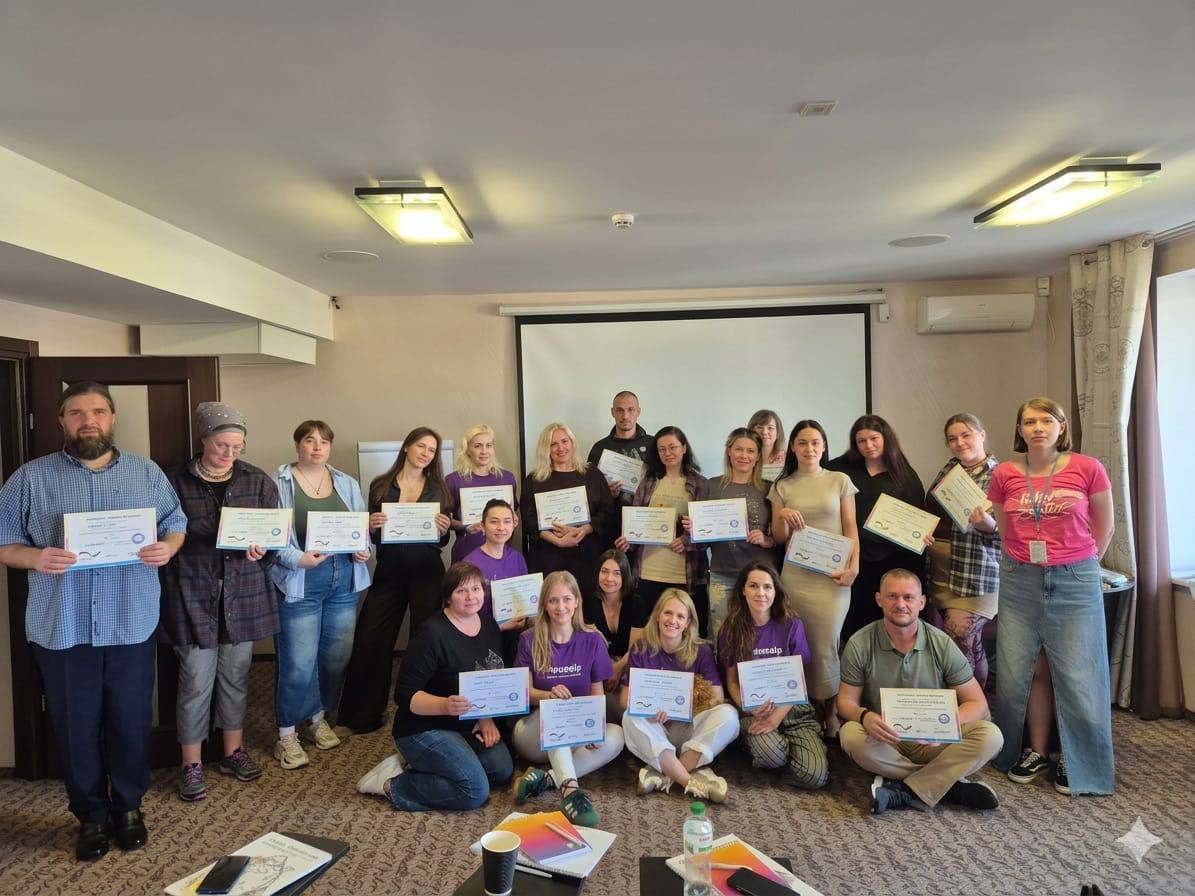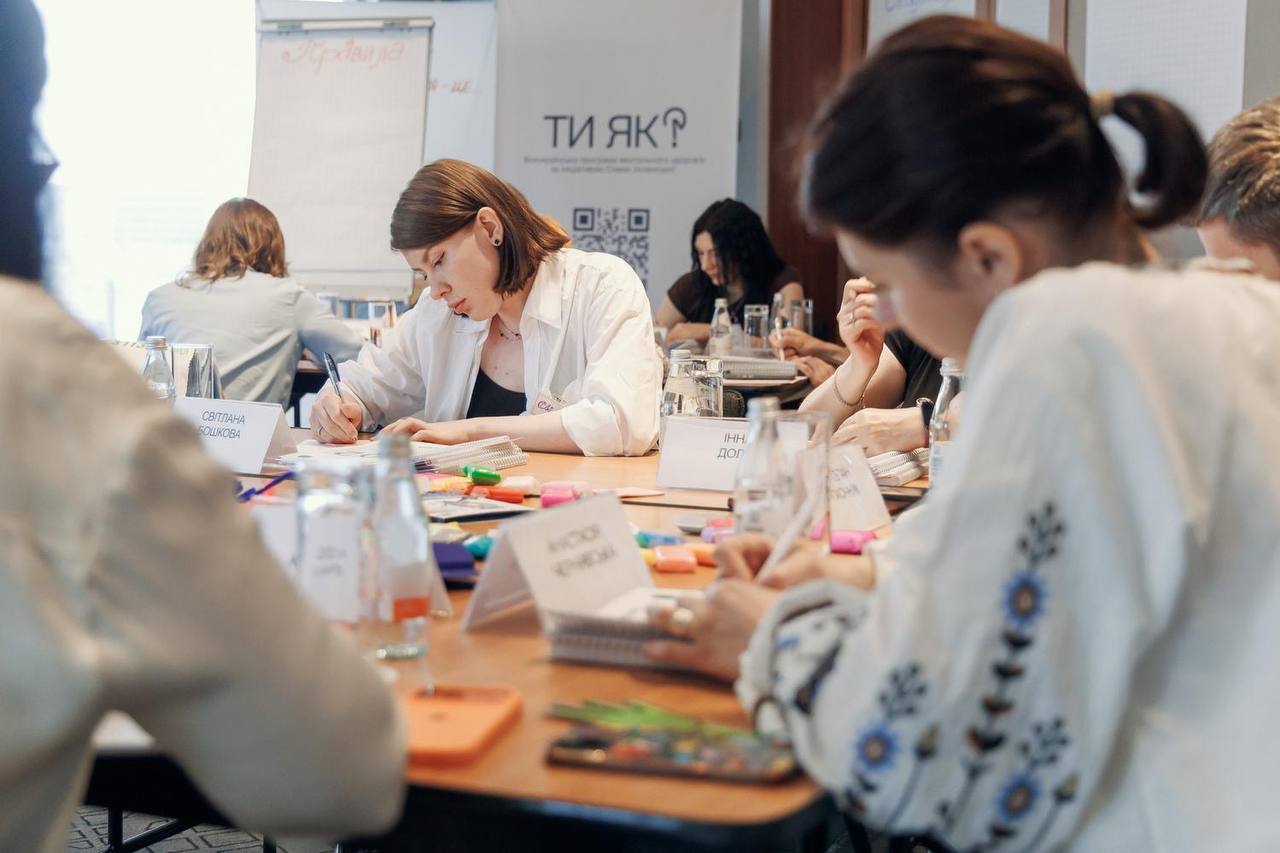
Based in Kharkiv, Svitlana Boshkova, Alight's Mental Health and Psychosocial Support (MHPSS) Specialist, lives through the same conditions as the people she supports – woken by the same air-raid alerts, carrying the same low hum of worry. The city continues to endure regular airstrikes, and has absorbed more than 200,000 displaced people on top of residents who never left. Daily life is shaped by uncertainty, exhaustion, and near-constant air raid sirens. Svitlana's own hometown, a smaller town elsewhere in Ukraine's northeast, close to the border, was badly damaged when the full-scale invasion began.
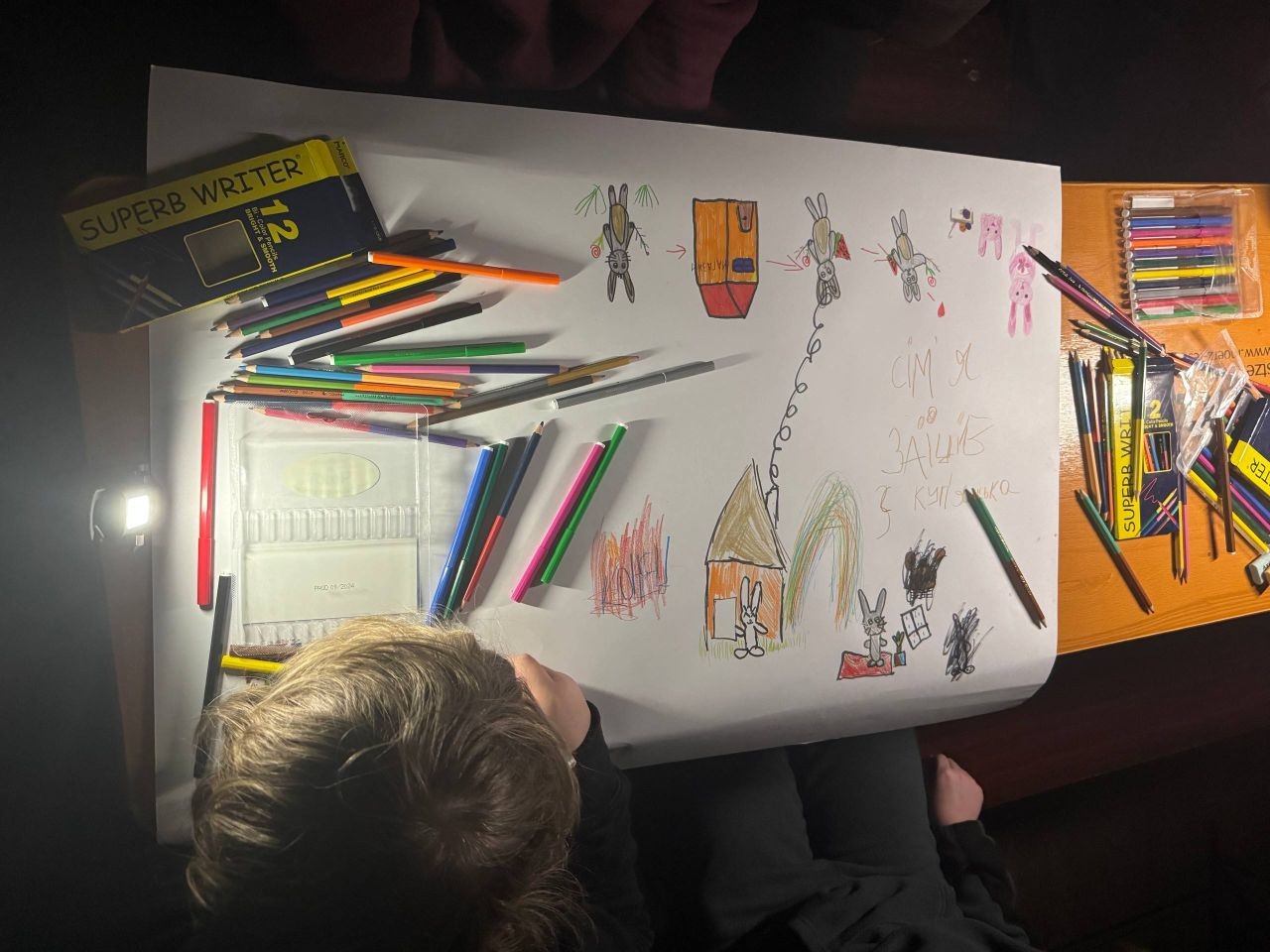
Experiencing the conflict first-hand shapes how Svitlana sees her work. For her, mental health support isn't a secondary concern to be addressed once the "real" needs – shelter, food, safety – are met. It's inseparable from them. In a protracted crisis, wellbeing becomes a form of infrastructure: without it, people can't keep working, caring for their families, or rebuilding their communities. The World Health Organization estimates that 9.6 million Ukrainians are struggling with mental health conditions, with nearly 4 million already facing severe trauma-related disorders like PTSD, depression, and anxiety. For children, the picture is just as stark: in one study, over a third of adolescents showed symptoms of trauma.